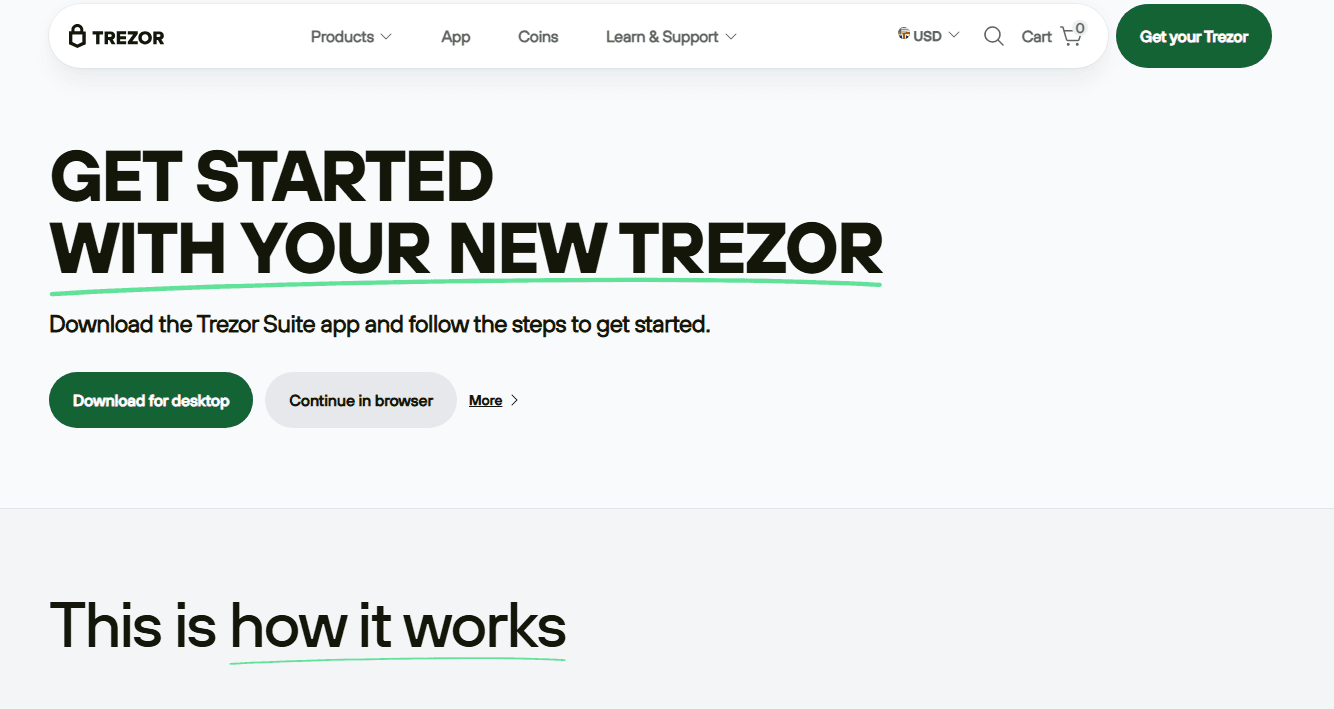
Trezor.io/Start: The Ultimate Guide to Secure Your Cryptocurrency
In the world of digital assets, security is everything. Cryptocurrency offers financial freedom and decentralized control, but it also comes with risks if not stored properly. That’s where Trezor, a leading hardware wallet, steps in. The official start guide, accessible at Trezor.io/start, is designed to help users set up, manage, and protect their crypto securely. This guide provides a step-by-step approach for both beginners and experienced users to navigate the Trezor ecosystem safely.
1. What is Trezor Wallet?
Trezor is a hardware wallet developed by SatoshiLabs, renowned for its reliability and security. Unlike online or software wallets, Trezor stores your private keys offline, minimizing exposure to hackers, phishing attacks, and malware.
Key Features:
Offline storage of private keys
Support for over 1,000 cryptocurrencies
Open-source firmware for transparency
Regular security updates
Integration with multiple crypto services
Visiting Trezor.io/start ensures you follow verified instructions, keeping your assets safe from fraudulent sources.
2. Why Use a Hardware Wallet?
Cryptocurrency transactions are irreversible. If your private keys are compromised, your funds are gone forever. Hardware wallets like Trezor mitigate this risk by:
Keeping private keys offline
Requiring physical confirmation for transactions
Protecting against malware and phishing attacks
By starting with Trezor, you ensure that security is the foundation of your crypto experience.
3. Unboxing Your Trezor Device
When you receive your Trezor device, it comes in tamper-evident packaging. Always check the packaging for signs of tampering.
Inside the box, you’ll find:
Trezor hardware device (Model One or Model T)
USB cable
Recovery seed cards
Instruction manual and stickers
The Trezor.io/start page guides you through verifying the authenticity of your device before connecting it to your computer.
4. Initial Setup Process
Setting up your Trezor device is simple but requires attention to detail. Follow these steps carefully:
Step 1: Connect to Your Computer
Use the supplied USB cable to connect your device. Go to Trezor.io/start in your web browser.
Step 2: Install Trezor Bridge or Suite
Trezor Bridge: Enables communication between your device and browser.
Trezor Suite: A comprehensive desktop app for managing crypto, offering a portfolio overview, sending/receiving crypto, and security management.
Step 3: Create a PIN Code
Set a PIN for your device to prevent unauthorized access. Avoid predictable combinations and store it securely.
Step 4: Generate Recovery Seed
The recovery seed (12–24 words) allows wallet restoration if your device is lost or damaged. Write it down offline and never share it digitally.
5. Understanding Recovery and Security
Your recovery seed is the lifeline of your wallet. Losing it means losing access to your funds. Trezor.io/start emphasizes:
Never storing seeds digitally
Using strong, unique PINs
Enabling optional passphrase protection
Verifying transaction addresses directly on the device
These precautions minimize the risk of theft and unauthorized access.
6. Using Trezor Suite
Trezor Suite is the central hub for managing your crypto securely. It offers:
Portfolio Overview: Track all assets in one dashboard
Send & Receive: Execute transactions safely with device verification
Exchange Integration: Swap and trade crypto within the app
Advanced Security: Optional passphrase and hidden wallets
Trezor Suite makes asset management simple, ensuring both usability and safety.
7. Advanced Security Features
Trezor offers additional security features for more advanced users:
Passphrase Protection: Acts as a 25th word to your recovery seed, creating hidden wallets.
Multi-Signature Support: Requires multiple approvals for transactions.
Firmware Updates: Regular updates protect against emerging threats.
These features allow users to scale security according to their needs.
8. Recovering Your Wallet
If your Trezor device is lost, stolen, or damaged, funds are not lost as long as the recovery seed is safe. Recovery steps:
Get a new Trezor device
Select “Recover Wallet” during setup
Enter the recovery seed
Set a new PIN and passphrase (if applicable)
This ensures your crypto remains fully accessible even in emergencies.
9. Beginner vs. Advanced Use
Trezor.io/start is designed for all levels of users:
Beginners: Step-by-step instructions make setup intuitive
Advanced Users: Access multi-signature wallets, third-party integrations, and detailed security controls
This versatility ensures Trezor remains a lifelong tool for crypto security.
10. Best Practices for Maximum Security
Regularly check connected apps and revoke suspicious access
Never download unofficial software claiming to improve Trezor security
Consider cold storage for large holdings
Use passphrase-protected wallets for sensitive assets
Following these practices ensures optimal protection against threats.
11. Trezor Community and Support
Trezor provides robust support for all users:
Knowledge Base: Step-by-step tutorials and FAQs
Community Forum: Engage with other users for tips and troubleshooting
Direct Support: Contact Trezor for hardware or software issues
Starting at Trezor.io/start ensures access to verified resources for a smooth experience.
12. Conclusion
Trezor.io/start is the ultimate entry point for anyone looking to secure their cryptocurrency. From unboxing and setup to advanced security practices, the guide empowers users to protect their assets efficiently. Trezor combines user-friendly design with military-grade security, making it ideal for beginners and crypto veterans alike.
By following this guide, you can confidently manage, send, receive, and store your cryptocurrencies, ensuring peace of mind in the evolving digital financial landscape.